LinkTranslation
A translation business with corporate clients, a digital presence that did not hold the price, and an internal process running by hand. Nevran rebuilt the visible front and the machinery behind it.
- Sector
- B2B technical translation
- Period
- 2025
- Workstreams
- Positioning, Design, Automation, Tracking
+23.4%
Leads from the form
+14.5%
Site visits
LinkTranslation's own analytics, comparing the periods before and after the rebuild.
Authorised in writing by the owner of LinkTranslation (2026)
The context
LinkTranslation sells technical and sworn translation to corporate clients: engineering, regulatory, life sciences. It is an expensive service sold to a demanding buyer, and the operation behind it is good.
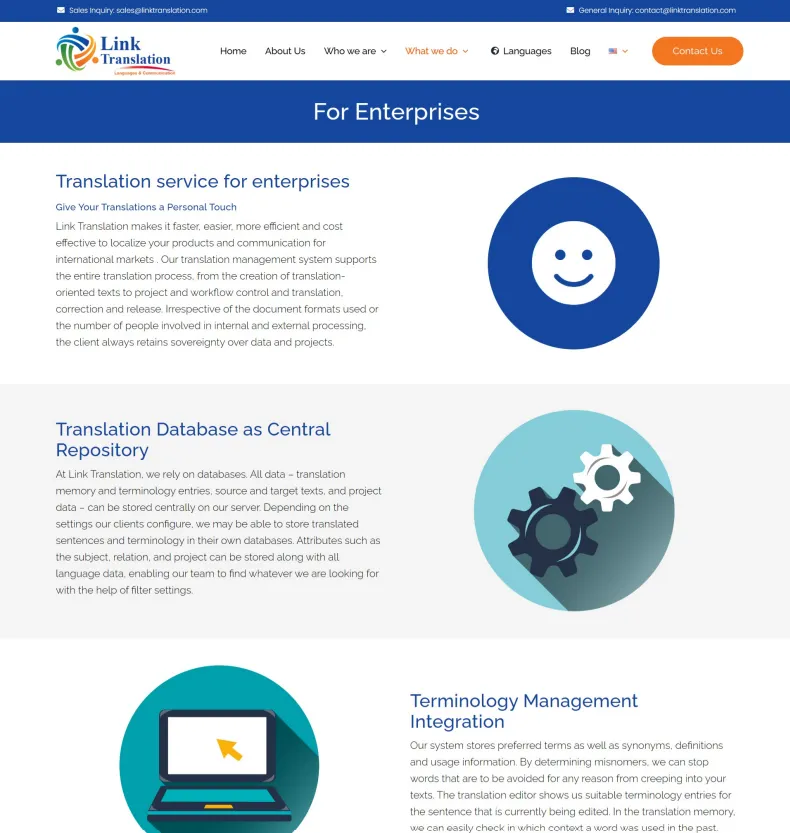
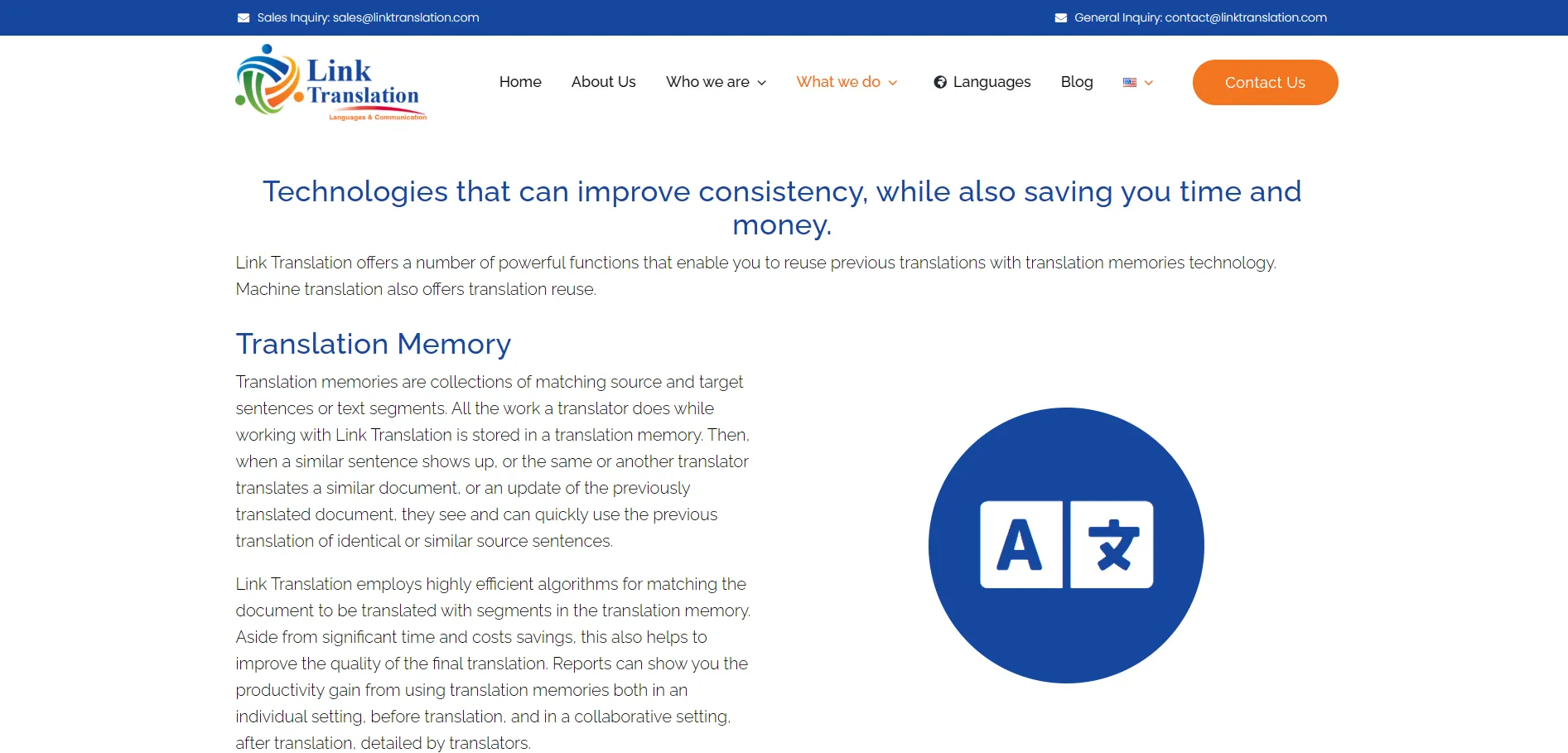
The digital presence said otherwise. Anyone who searched before calling found a generic site with nothing to hold up the price being charged.
What was at stake
Perception below price. The company charges like a specialist and looked generic. That pushes the prospect into comparing on price, which is exactly the conversation a premium operation does not want.
Invisible source. There was no way to know where good contacts came from. Without that, any acquisition decision is a bet.
Process by hand. Much of the language-pair triage and project data organisation was done manually, one task at a time.
What was built
Positioning and presence
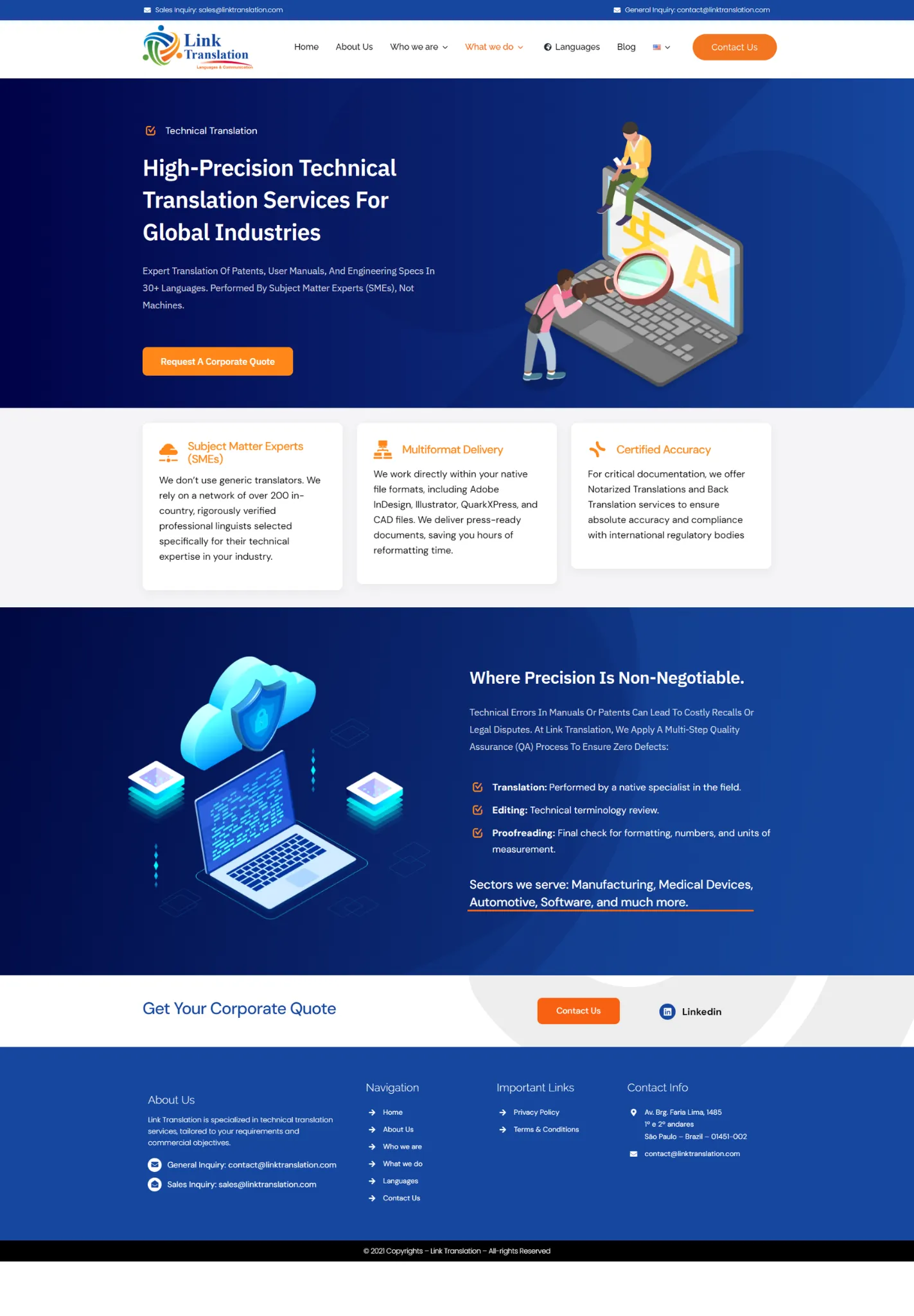
Rewrote the proposition around what the operation does differently, technical translation with specialist review and validated terminology, instead of the generic “translation services” description. The offer became readable in one screen: what it is, who it is for, how it works.

Process automation
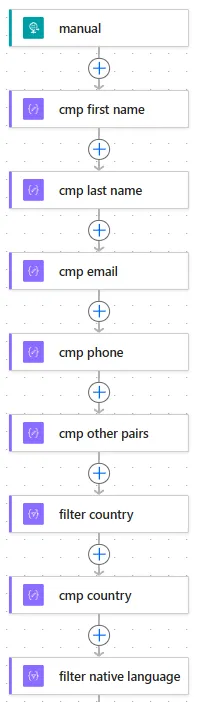
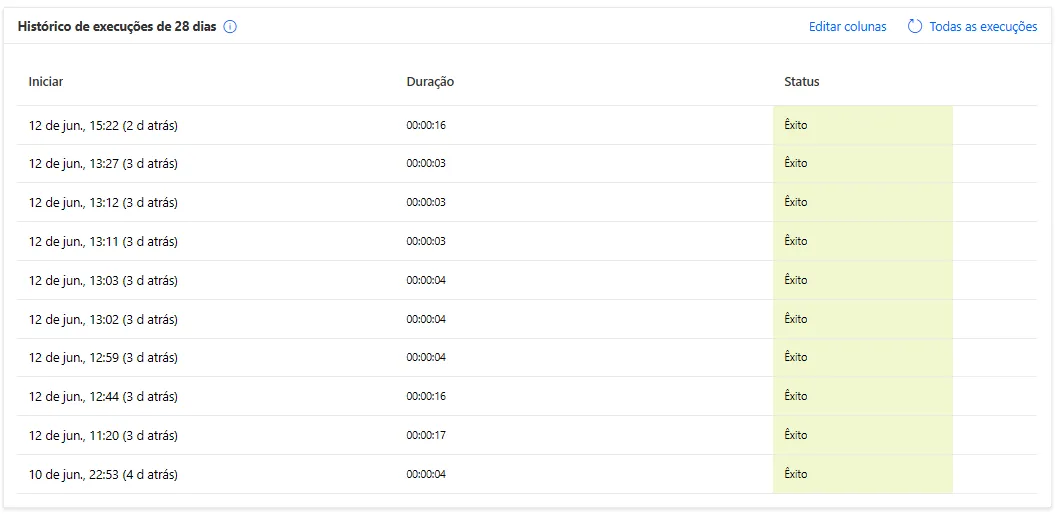
An automated flow for the repetitive part of the operation: extraction and comparison of language pairs, filtering by country and by the translator’s native language, and routing whatever meets the criteria.
Data and database
The layer nobody sees, and the one holding up the rest:
- Python routine to clean and normalise the files entering and leaving the translation process, removing manual format checking.
- Database management for the operation: modelling the project, client and language-pair tables, clearing duplicate records, and queries the team uses daily without depending on whoever wrote them.
- Source tracking on entry points, so each contact arrives identified by channel.
Result
Technical performance measured with Google’s PageSpeed Insights, before and after the rebuild:
| Metric | Before (desktop) | After (desktop) | Before (mobile) | After (mobile) |
|---|---|---|---|---|
| Performance | 86 | 93 | 82 | 99 |
| Accessibility | 82 | 88 | 83 | 86 |
| Best practices | 81 | 100 | 77 | 100 |
| SEO | 85 | 100 | 85 | 100 |
What changed in the business
A high technical score is not a result, it is a prerequisite. What matters is what happened after the site went live, measured in LinkTranslation’s own analytics, comparing the periods before and after the rebuild:
- 23.4% more leads through the form.
- 14.5% more visits to the site.
The second number feeds the first, but does not explain it on its own: visits rose 14.5% and leads rose 23.4%, meaning the same audience started converting better. That is the effect of positioning and conversion architecture, not of volume.
What stays
Positioning carries the result and design makes the positioning credible. Done separately, both underperform: positioning without visual execution does not convince, and visual execution without positioning is makeup.
The second lesson is about sequence. Tracking installed before the restructure would have measured the old site, correct data about the wrong thing. Installing it after costs the comparison, but measures what is worth measuring.